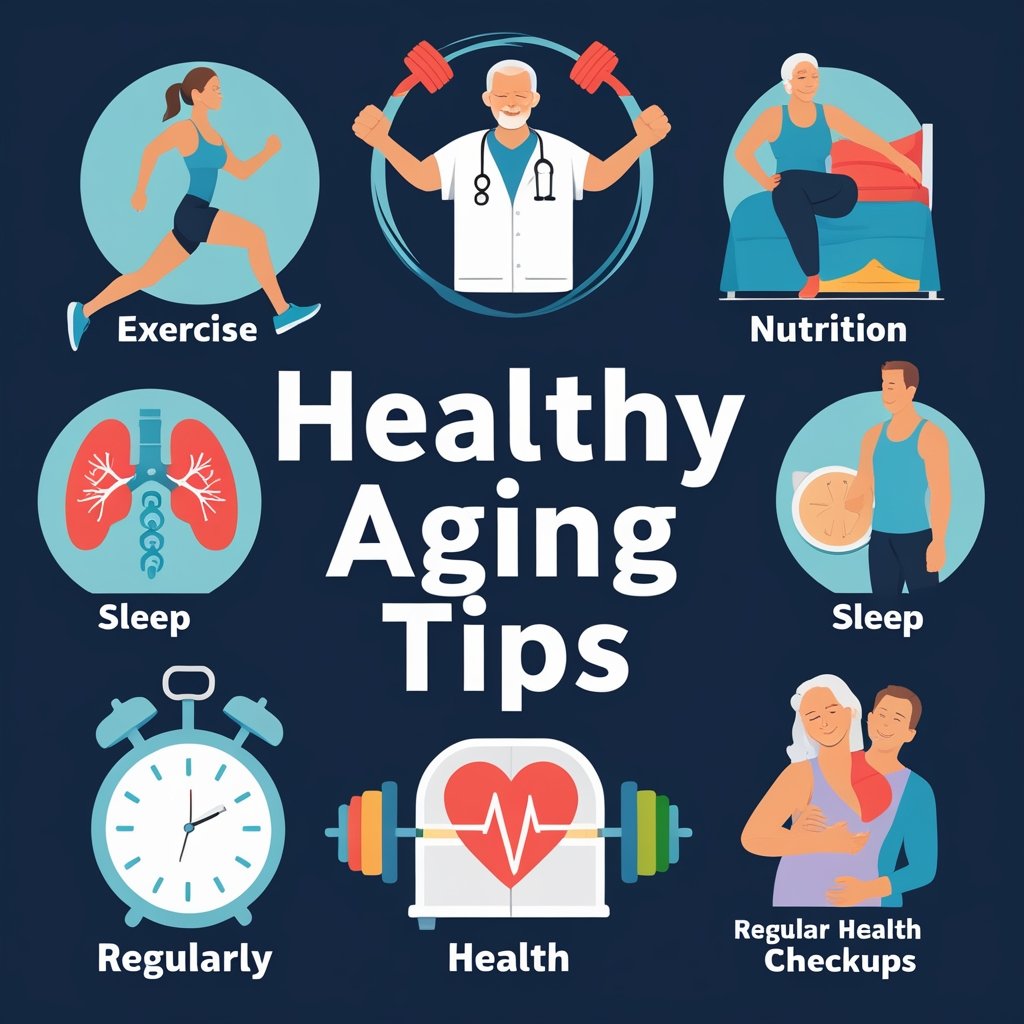
As we grow older, it becomes very important to take care of our health and vitality. Healthy aging does not just mean staying alive but living life in the best way possible, in which you are physically active, mentally sharp, and emotionally happy. Today, due to medical technology and lifestyle improvements, people are living longer and healthier lives than before. But for this, it is important that we pay attention to our health and adopt some habits that keep our body and mind healthy.
Aging brings some natural changes like loss of muscle strength, decrease in bone density, and slight memory impairment. But these changes are possible to manage if we make the right changes in our lifestyle. Healthy diet, regular exercise, and stress management can help keep our bodies young and fit. It is also important to give priority to mental health as brain health plays a central role in our overall well-being.
In this blog, we will mention all the important tips and strategies that will help you stay healthy and active while you are on the journey of aging. These tips will show you the way to bring positive changes in your life so that you can spend every day with happiness and energy. Healthy aging is not just a target, but a sustainable lifestyle choice.
Importance of Balanced Nutrition for Aging Well:
As we age, our bodies need nutrients that provide energy, strengthen our immune system, and help repair cells. Balanced nutrition is an important part of maintaining good health during aging. It’s not just about choosing the right food, it’s about understanding how much of each food you need.
Metabolism slows down with age, so it’s important to control calorie consumption to avoid weight gain. Fruits, vegetables, whole grains, and proteins should be included in your diet as they provide antioxidants and essential vitamins that protect body tissues from damage. Calcium and vitamin D are highly important as they help in maintaining bone health.
Iron and vitamin B12 should also be taken to prevent quick fatigue and weakness. Processed foods and excessive sugar should be avoided as they promote health problems such as diabetes and heart disease. Hydration is also very important for aging, so drink plenty of water daily.
A balanced diet not only improves your physical health but also improves mental clarity. Good nutrition keeps energy levels stable, and you are able to be more active in your daily activities. It helps in making your aging process smooth and healthy.
Staying Physically Active:
As we age, staying away from physical activity can be very harmful. Regular exercise not only strengthens muscles but also improves heart health and increases joint flexibility. It is important for seniors to do exercises that are appropriate for their body condition to prevent injury.
Walking, stretching, light strength training, and balance exercises are very beneficial. Walking at least 30 minutes every day is beneficial for heart health and helps improve breathing. Stretching exercises keep joints flexible and reduce muscle stiffness. Strength training strengthens muscles, which reduces the risk of falls and injuries.
Balance exercises, such as standing on one foot or yoga, can help improve your body coordination and stability. These exercises are very helpful in preventing injuries caused by a fall. Physical activity also reduces stress and improves sleep, which is important for overall health.
It is very important to listen to your body while exercising. Avoid forceful exertion and seek medical advice if you have a chronic illness. Consistency is most important for seniors; doing small exercises daily keeps their health maintained in the long term.
Mental Health and Cognitive Wellness in Older Adults:
Happy aging is not just about physical health, mental health is also very important. As we age, the chances of cognitive decline increase, but with the right mental health care, we can keep our brains sharp and active. Taking care of your mental health improves the quality of your daily life.
Stress, anxiety, and depression are common in older people and can compromise their overall well-being. So it is important to seek emotional support, understand your feelings, and get professional help when needed. Social interactions and hobbies such as painting, music, and reading help keep the brain active.
Brain exercises such as puzzles, memory games, and learning new skills improve cognitive health. These activities improve communication between neurons, which reduces the risk of diseases such as dementia and Alzheimer’s. Meditation and relaxation techniques also improve mental clarity and focus.
Keeping a positive mindset in your daily routine and appreciating your achievements improve emotional resilience. A healthy social life, spending time with family and friends, is also very important for mental health. Make mental wellness your priority for healthy aging.
Preventive Healthcare and Regular Checkups:
The best way to take care of your health during aging is preventive healthcare. This means that we take proactive steps to prevent diseases before they occur and monitor our health. Regular medical checkups help us detect hidden problems in our bodies quickly.
It is very important to get tests done like blood pressure, cholesterol, and blood sugar, as these give early warning signs of chronic diseases. Vaccinations are also important for aging, like flu and pneumonia vaccines, which protect seniors from serious infections. Appropriate screenings, such as mammograms, colonoscopies, should also be done as per the doctor’s advice.
It is also important to take care of your medications and follow the doctor’s instructions. Proper use of medications along with a healthy lifestyle maintains your health. Dental care and vision checkups should also be part of a routine. Preventive healthcare keeps you away from health complications and gives you’re a quality of life. This proactive approach smoothens the aging process and helps you stay independent and active.
Building Strong Social Connections for Longevity
Relationships and social interactions with people are important for a happy, long life. People often feel lonely as they age, which can harm their mental and emotional health. Strong social connections provide emotional support that can help prevent stress and depression.
Spending time with friends, family, and the community can improve your mental health. Participating in social activities such as clubs, volunteering, or group hobbies keeps you active and engaged. It boosts your confidence and gives you a positive perspective on life.
Socializing helps you improve your communication skills and meet new people to share your knowledge and experiences with. This bonding helps prevent loneliness and isolation, which are common problems of aging. Joining online communities using technology is also easy these days.
Social support also keeps you physically healthy because when you’re connected, you’re more likely to take care of your health. It motivates you to move consistently toward your goals and live your life happily.
Conclusion:
Healthy aging is not just a way to increase life span, but also a way to keep your life active, happy, and healthy. When we take care of our diet, exercise, mental health, and social life, we not only improve the quality of our lives but also increase the chances of living a long and peaceful life.
In this blog, we have seen that balanced nutrition provides our body with essential vitamins and minerals that provide us with energy and immunity. Physical activity keeps our muscles, heart, and joints strong, and mental wellness keeps our minds sharp and stress-free. Regular medical checkups and preventive healthcare help us identify health problems early and treat them promptly.
Social connections improve our emotional health and ward off loneliness, which is vital during aging. Healthy aging means looking at your life with hope and making better choices for your health every day. This lifestyle is a journey in which small changes add up and make a big difference.
You can also make the aging process smooth and pleasant by incorporating these healthy habits into your life. Remember that living a healthy life is everyone’s right, and it is in your hands to make your life better and maintain your vitality. Healthy aging is a new beginning for you in which you can enjoy every happy and healthy moment of life.
FAQs:
1. What does healthy aging actually mean?
Healthy aging means more than just living longer it means staying physically active, mentally sharp, and emotionally content as you grow older. It involves making lifestyle choices that support good health and overall well-being throughout your later years.
2. How can nutrition impact aging?
As you age, your body needs specific nutrients to maintain energy, repair cells, and support the immune system. A balanced diet with fruits, vegetables, lean proteins, whole grains, and essential vitamins (like calcium, vitamin D, and B12) helps maintain strength, prevent diseases, and support brain health.
3. What types of physical activities are best for older adults?
Low-impact exercises like walking, stretching, light strength training, and balance-focused workouts (like yoga) are ideal. These activities help improve joint flexibility, muscle strength, coordination, and heart health all of which reduce the risk of injuries and enhance daily mobility.
4. How can seniors maintain good mental health and cognitive wellness?
Engaging in social activities, practicing hobbies, solving puzzles, and learning new skills keep the brain sharp. Emotional support, stress management techniques, and regular interaction with loved ones also play a major role in maintaining mental health and reducing the risk of cognitive decline.
5. Why are regular checkups and preventive healthcare important as we age?
Preventive healthcare allows early detection of issues like high blood pressure, diabetes, or bone loss. Routine screenings, vaccinations, and medication management help prevent serious illnesses and ensure that seniors remain independent and active for as long as possible.